
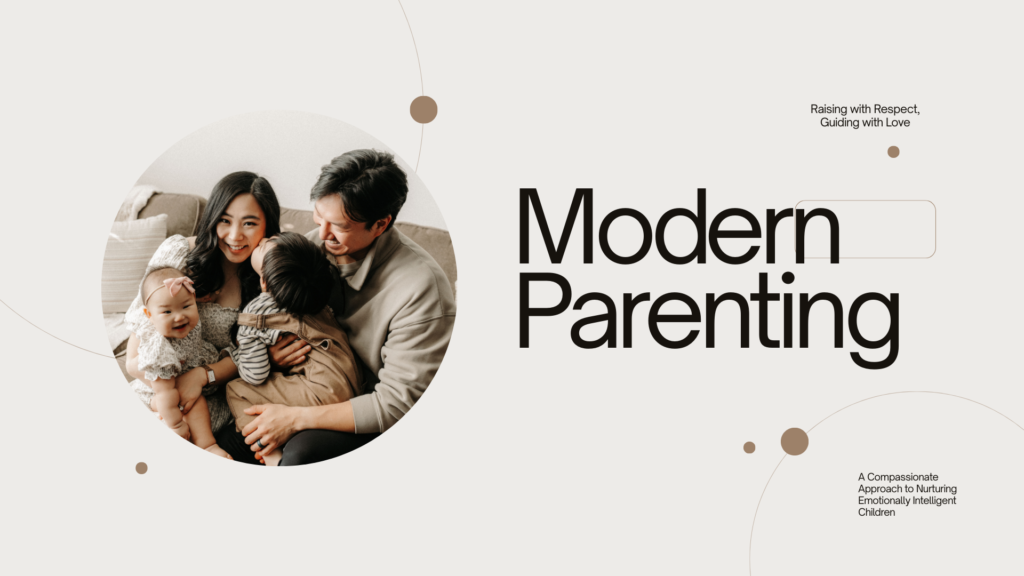
Modern parenting has changed the way families raise children in today’s fast-paced world. Instead of focusing only on discipline and obedience, modern parenting emphasizes emotional connection, communication, and understanding to support healthy child development.
Modern parenting is not about being perfect or following rigid rules. Instead, it focuses on being present, responsive, and emotionally supportive while still providing structure and guidance. In a world filled with digital distractions, social pressure, and endless advice, modern parenting offers a balanced and realistic approach.
What Is Modern Parenting and Why It Matters
Modern parenting is an approach that prioritizes emotional intelligence, mutual respect, and healthy communication. Rather than relying on fear or punishment, parents guide children through understanding, connection, and consistency.
At its foundation, modern parenting recognizes children as individuals with emotions, thoughts, and unique personalities. Parents still set rules and expectations, but they do so with empathy and clarity.
Key Elements of Modern Parenting
Modern parenting typically includes:
- Emotional awareness and validation
- Age-appropriate expectations
- Clear and respectful communication
- Consistent routines and boundaries
- Teaching life skills rather than enforcing obedience
Instead of asking, “How do I make my child behave?”, modern parenting asks,
“How do I help my child learn, regulate emotions, and grow into a confident adult?”
How Modern Parenting Differs from Traditional Parenting
While traditional parenting focused heavily on authority, modern parenting shifts toward guidance and collaboration.
Traditional Parenting Approach
Traditional parenting often emphasizes control and obedience. Discipline usually involves punishment, and emotional expression is limited.
Common characteristics include:
- Obedience-based discipline
- Fear of punishment
- Minimal emotional discussion
- “Because I said so” decision-making
Although this approach may encourage short-term compliance, it often fails to develop emotional regulation or independent thinking.
Modern Parenting Approach
Modern parenting places the relationship between parent and child at the center. Rules still exist, but they are explained and reinforced calmly.
Key features include:
- Relationship-focused discipline
- Emotional validation
- Teaching problem-solving skills
- Explaining the “why” behind rules
As a result, children raised with modern parenting tend to be more emotionally secure and cooperative.
Why Modern Parenting Matters More Than Ever
In today’s fast-paced world, children face academic pressure, social challenges, and constant digital exposure. Because of this, parenting style plays a crucial role in emotional and mental well-being.
Research shows that parenting style directly affects:
- Emotional regulation
- Self-esteem
- Social skills
- Academic achievement
- Long-term mental health
Children raised with emotionally responsive parenting are more likely to communicate openly, manage stress effectively, and build healthy relationships. Therefore, modern parenting prepares children not just for school—but for life.
Core Principles of Modern Parenting for today,s family
Emotional Validation
Children experience big emotions, even when problems seem small to adults. Modern parenting encourages acknowledging feelings without judgment.
Examples include:
- “I see you’re upset.”
- “That sounds really difficult.”
- “I’m here with you.”
Emotional validation does not mean allowing harmful behavior. Instead, it helps children feel understood, which leads to better emotional control over time.
Clear and Consistent Boundaries
Modern parenting balances warmth with structure. Children feel safer when expectations are clear and consistent.
Healthy boundaries include:
- Simple household rules
- Predictable routines
- Calm, logical consequences
Boundaries teach responsibility and accountability, not fear.
Teaching Instead of Punishing
Rather than reacting with anger, modern parenting focuses on teaching moments. Mistakes are treated as opportunities to learn.
For example:
- A tantrum becomes a lesson in calming techniques
- A broken rule becomes a discussion about choices and consequences
This approach builds problem-solving skills and emotional resilience.
Respectful Communication
Children learn how to communicate by observing adults. When parents model calm, respectful speech, children naturally follow.
Respectful communication involves:
- Listening without interrupting
- Using a calm tone
- Explaining expectations clearly
When children feel respected, cooperation improves significantly.
Common Challenges in Modern Parenting (And Practical Solutions)
Parenting Guilt and Pressure
Many parents feel they are not doing enough—especially when comparing themselves to others online. Social media often shows an unrealistic version of parenting.
💡 Modern parenting focuses on progress, not perfection.
Consistency and presence matter far more than doing everything “right.”
Overload of Parenting Advice
From blogs to social media influencers, parents are overwhelmed with conflicting advice. Therefore, it is important to choose strategies that align with:
- Your family values
- Your child’s personality
- Your cultural and lifestyle needs
There is no universal parenting method that works for every family.
Balancing Work and Family Life
Modern parenting acknowledges real-life responsibilities. Parents may work long hours or manage multiple roles.
Quality time matters more than quantity. Even short, meaningful interactions—such as bedtime conversations or shared meals—build strong emotional bonds.
How to Practice Modern Parenting in Daily Life
Applying modern parenting does not require major changes. Small, consistent actions create lasting impact.
Practice Active Listening
- Get down to your child’s eye level
- Maintain eye contact
- Listen without interrupting
This makes children feel heard and valued.
Help Children Name Their Emotions
Teaching children to label emotions builds emotional intelligence.
Examples:
- “You’re feeling frustrated.”
- “That made you feel sad.”
Over time, children learn healthier ways to express emotions.
Stay Calm During Conflict
Children learn emotional regulation by watching adults. Calm responses teach children how to manage stress and disagreements.
Even when emotions run high, staying calm sets a powerful example.
Encourage Independence and Confidence
Allow children to try new tasks, make mistakes, and learn with guidance. Confidence grows through experience and encouragement.
Modern Parenting and Child Development
Modern parenting supports all areas of child development, including:
- Emotional growth
- Social skills
- Critical thinking
- Self-regulation
Children raised with this approach are more adaptable, resilient, and emotionally secure. This method is especially effective during:
- Toddler years
- Early childhood
- Emotional transitions
Is Modern Parenting the Same as Gentle Parenting?
Although closely related, modern parenting and gentle parenting are not exactly the same.
Gentle Parenting
- Strong focus on empathy
- Calm discipline
- Emotional validation
Modern Parenting
- Broader framework
- Combines empathy with structure
- Adapts to real-life demands
Many parents successfully use gentle parenting techniques within a modern parenting approach.
When Modern Parenting Feels Difficult
Some days will feel exhausting. That is normal.
Modern parenting does not mean:
- Never setting rules
- Never feeling frustrated
- Never making mistakes
It means repairing mistakes, reflecting, and continuing to learn. Children do not need perfect parents—they need present and emotionally available parents.
Final Thoughts on Modern Parentinght
Modern parenting is about raising children who feel:
- Safe
- Heard
- Confident
- Capable
By focusing on connection, communication, and emotional development, parents create a strong foundation for lifelong success.
Every small effort matters. Parenting is a journey, and modern parenting makes that journey more balanced and meaningful.